
Changing Careers
Changing Careers guides on Job Hunt Beacon.

Switching Careers to Insurance Sales: What You Need to Know
Insurance sales is one of the more open mid-career switches available: the U.S. Bureau of Labor Statistics (2025) reports that typical entry-level education is a high school diploma or equivalent, with no related work experience required and moderate-term on-the-job training. What you do need is a state license, and getting one — pre-licensing coursework plus the state exam — can take two to eight weeks depending on your pace (Insurance Business magazine, 2024).
Priya Chandrasekaran · 10 min read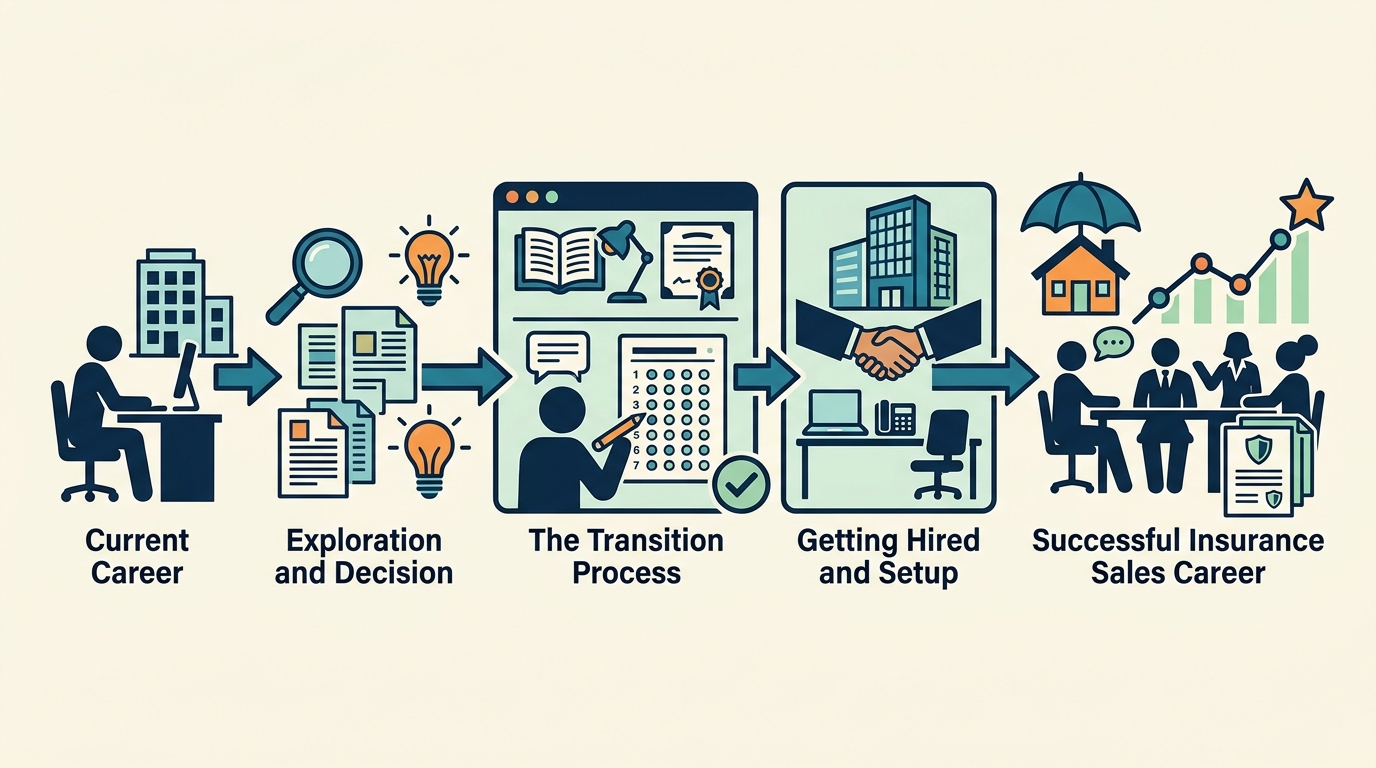
How to Switch to a Career in Insurance Sales, Step by Step
Switching into insurance sales is one of the shorter licensed-career transitions available to someone already working: the U.S. Bureau of Labor Statistics (2025) says agents must hold a license in the states where they work, and most people go from a standing start to licensed and working in 4 to 8 weeks once they choose a line of authority, finish any pre-licensing education, and pass the state exam (Xcel Solutions). The longer part is income. Pay is commonly commission-only for independent agents, or salary, salary plus commission, or salary plus bonus for agents employed by an agency or carrier (U.S. Bureau of Labor Statistics, May 2025) — so the realistic plan runs 6 to 12 months from research to a stable first year, not 8 weeks.
Marisol Tanaka-Reyes · 10 min read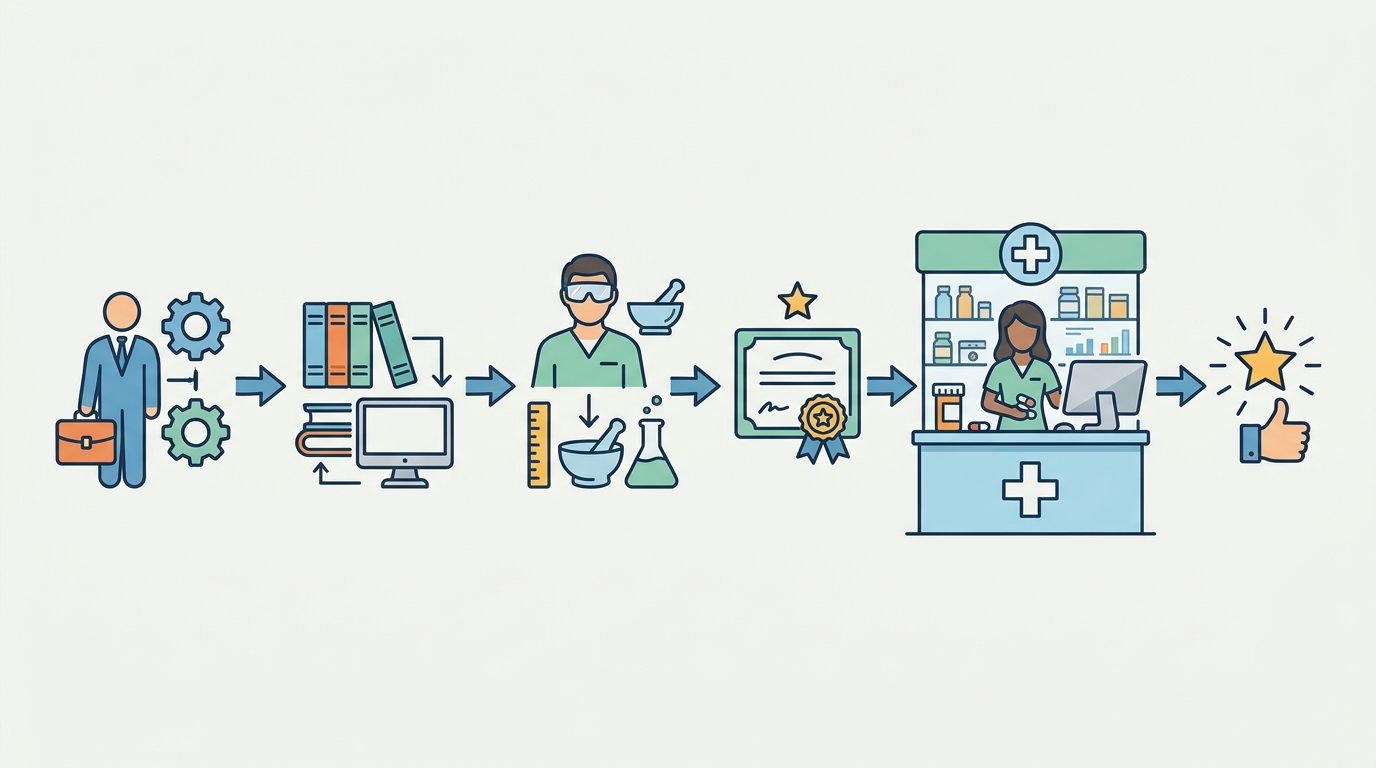
How to Switch to a Career in Pharmacy Technology, Step by Step
Switching into pharmacy technology usually takes somewhere between 6 and 18 months from first research to a steady first job, depending on whether you train on the job or complete a postsecondary program. The U.S. Bureau of Labor Statistics (2026-08-27) says pharmacy technicians typically need a high school diploma or equivalent and learn through on-the-job training lasting less than a year, or complete a pharmacy technology education program, which often awards a certificate in a year or less (BLS, 2026-08-27).
Wyatt Holloway · 11 min read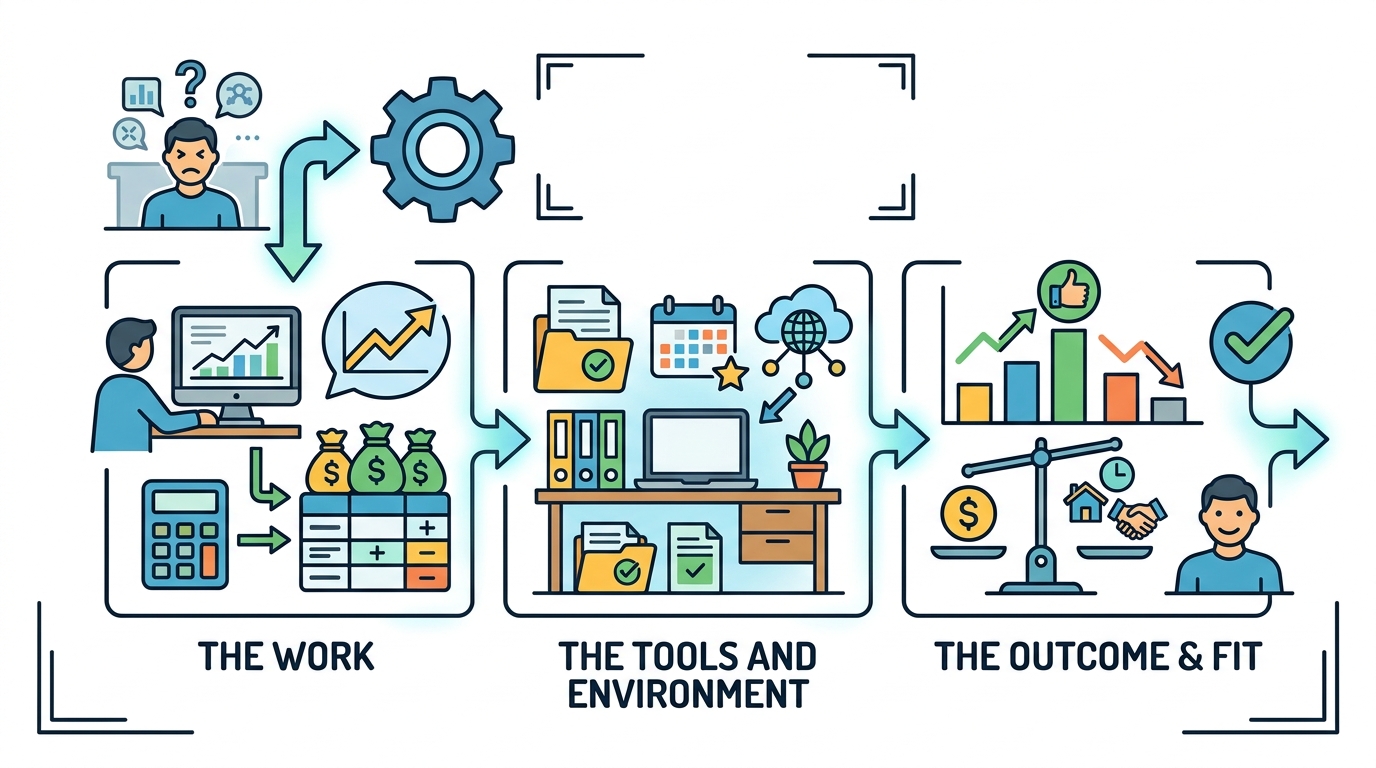
Is Becoming a Bookkeeper a Good Career Change?
Bookkeeping is one of the more realistic mid-career switches available, because the typical entry requirement is a high school diploma with moderate-term on-the-job training rather than a new degree, and no prior experience in a related occupation is normally expected (U.S. Bureau of Labor Statistics, 2025). The catch is the outlook: BLS projects employment for bookkeeping, accounting and auditing clerks to decline between 2025 and 2035 as routine tasks are automated, with most openings coming from workers leaving the occupation rather than new positions (U.S. Bureau of Labor Statistics, 2025).
Desmond Okafor · 10 min read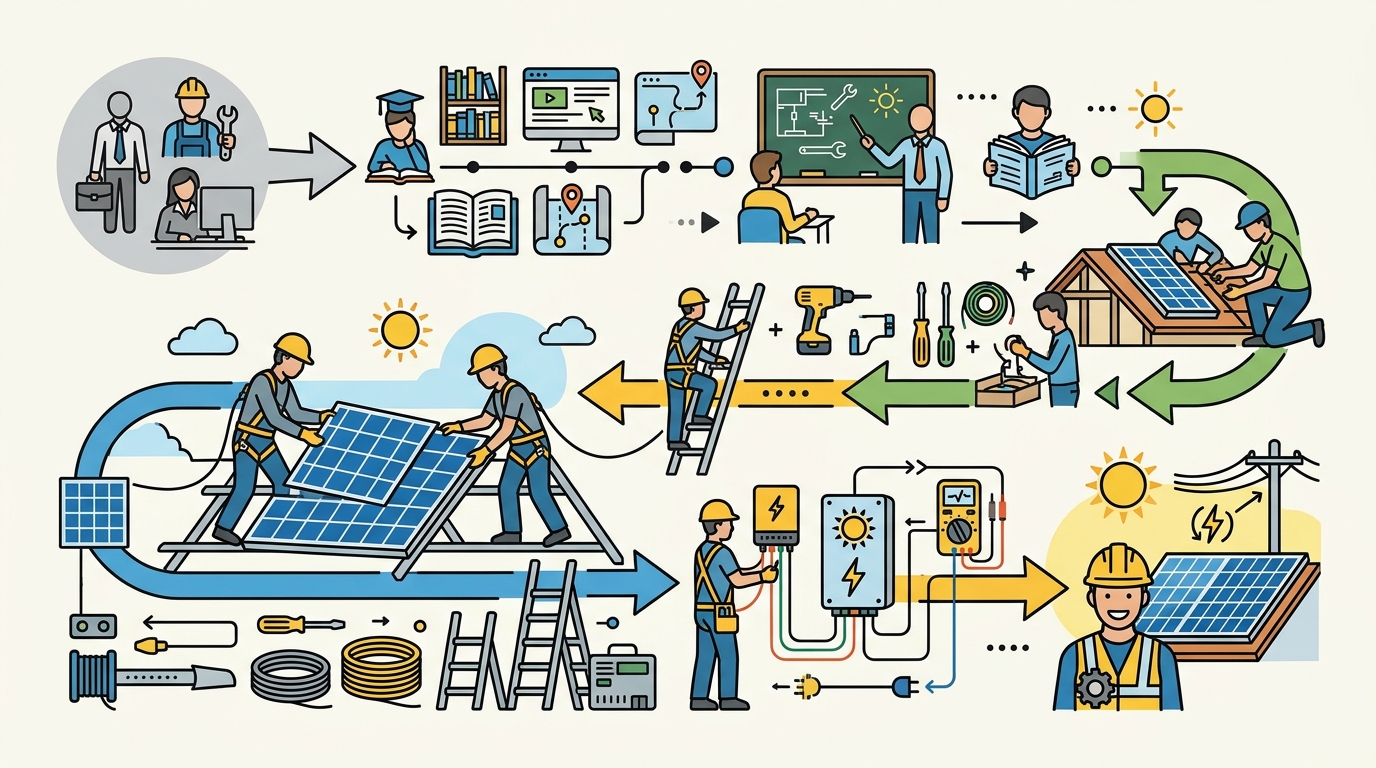
Solar Installer Career Change Roadmap for Working Adults
Moving into solar PV installation from another job usually takes somewhere between 6 and 18 months from first research to a steady crew role — a certificate program of 12 weeks to less than 1 year (CareerOneStop) followed by the 1 to 12 months of on-the-job training most entrants go through (CareerOneStop). The alternative is a registered apprenticeship: the Solar Energy Technician Apprenticeship at St. Petersburg College with UCF's Florida Solar Energy Center runs two years at no cost and includes full-time employment with a solar installation company.
Priya Chandrasekaran · 12 min read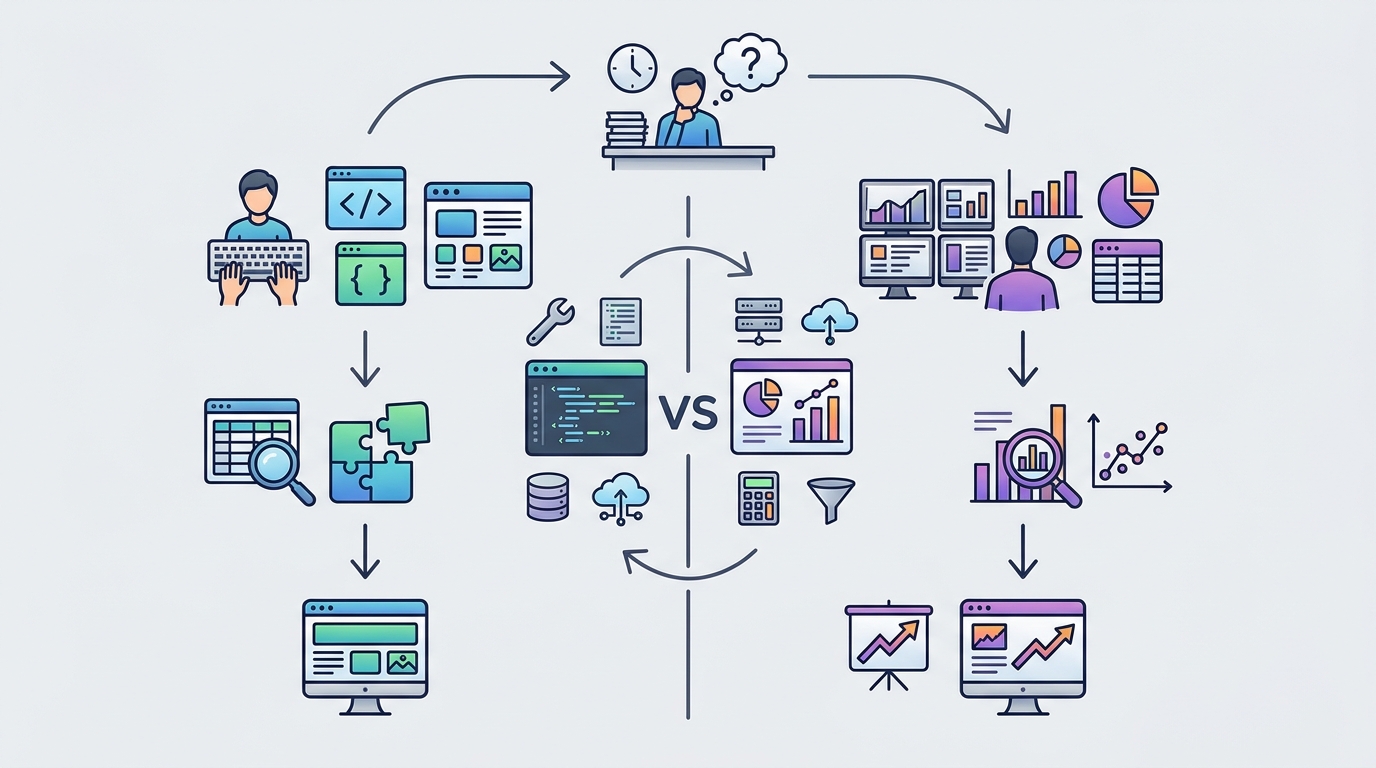
Web Developer vs. Data Analyst: Which Career Change Is Right for You
Web development and data analysis both let you leave physical or shift-based work for a desk, but they ask different things at the door. Web developers and digital designers may not need specific education credentials if they can demonstrate their abilities through prior work or projects (U.S. Bureau of Labor Statistics, 2025), while the closest occupation the government tracks for analytics work — data scientist — typically needs at least a bachelor's degree in mathematics, statistics, computer science or a related field, with some employers requiring or preferring a master's or doctorate (U.S. Bureau of Labor Statistics, 2025).
Desmond Okafor · 8 min read
Your Plan for Changing Careers to Bookkeeping
Moving into bookkeeping from another line of work usually takes 12 to 24 months from first research to a stable role, and you can do most of it while still employed. ONET OnLine (U.S. Department of Labor) places the occupation in Job Zone Three, where people usually need one or two years of training combining on-the-job experience with informal training from experienced workers — and the U.S. Bureau of Labor Statistics (2025) lists typical entry-level education as 'some college, no degree' with no prior related work experience required.
Desmond Okafor · 10 min read
Your Plan for Changing Careers to Instructional Design
Moving into instructional design from another job usually takes 12 to 24 months if you start while still employed, build a portfolio on the side, and treat the credential as the last step rather than the first. The U.S. Bureau of Labor Statistics (2025) lists "Instructional Designer" work under instructional coordinators, where entry typically expects a master's degree and five years or more of related work experience, while the closely related training and development specialist role typically needs a bachelor's degree.
Noor Abdallah · 10 min read
So You Want to Become a Solar Installer After 30
Becoming a solar photovoltaic installer after 30 is one of the more accessible trade switches, because the job is mostly learned on a crew rather than in a degree program. The U.S. Bureau of Labor Statistics (2025) lists a modest typical entry-level education level and on-the-job training alongside experienced installers as the usual route in, and notes that people coming from electrician, roofer, carpenter or laborer work already perform basic construction duties, which may shorten training time.
Noor Abdallah · 9 min read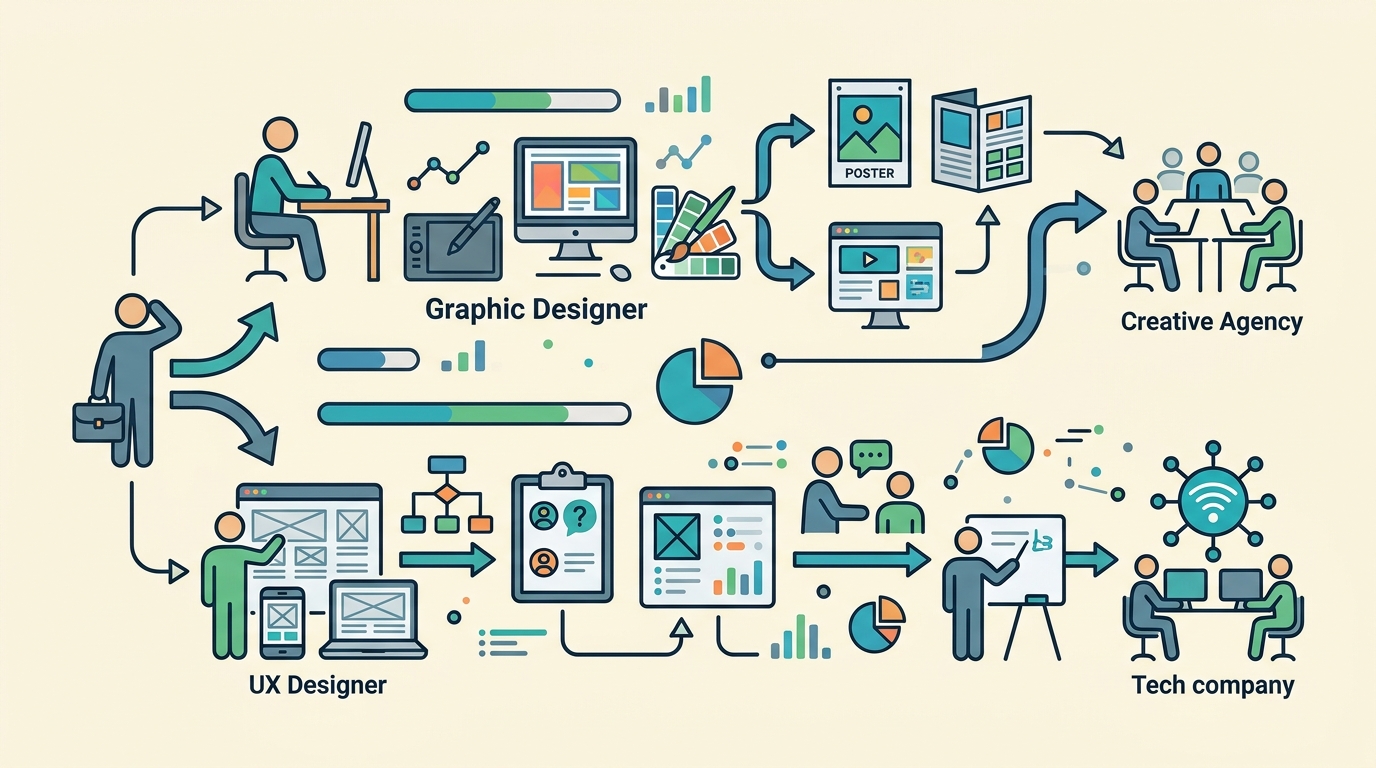
Graphic Designer or UX Designer: A Second-Career Comparison
If you are moving into design later in your working life, the two paths differ most on money and on how you get in. Web and digital interface designers — the group federal data uses for UX work — had a median annual wage of $104,000 in 2025, while graphic designers' median was $62,960 (U.S. Bureau of Labor Statistics, 2025). Graphic design typically expects a bachelor's degree in design or a related fine arts field, while education requirements for web and digital designers vary by work setting (U.S. Bureau of Labor Statistics, 2025).
Noor Abdallah · 9 min read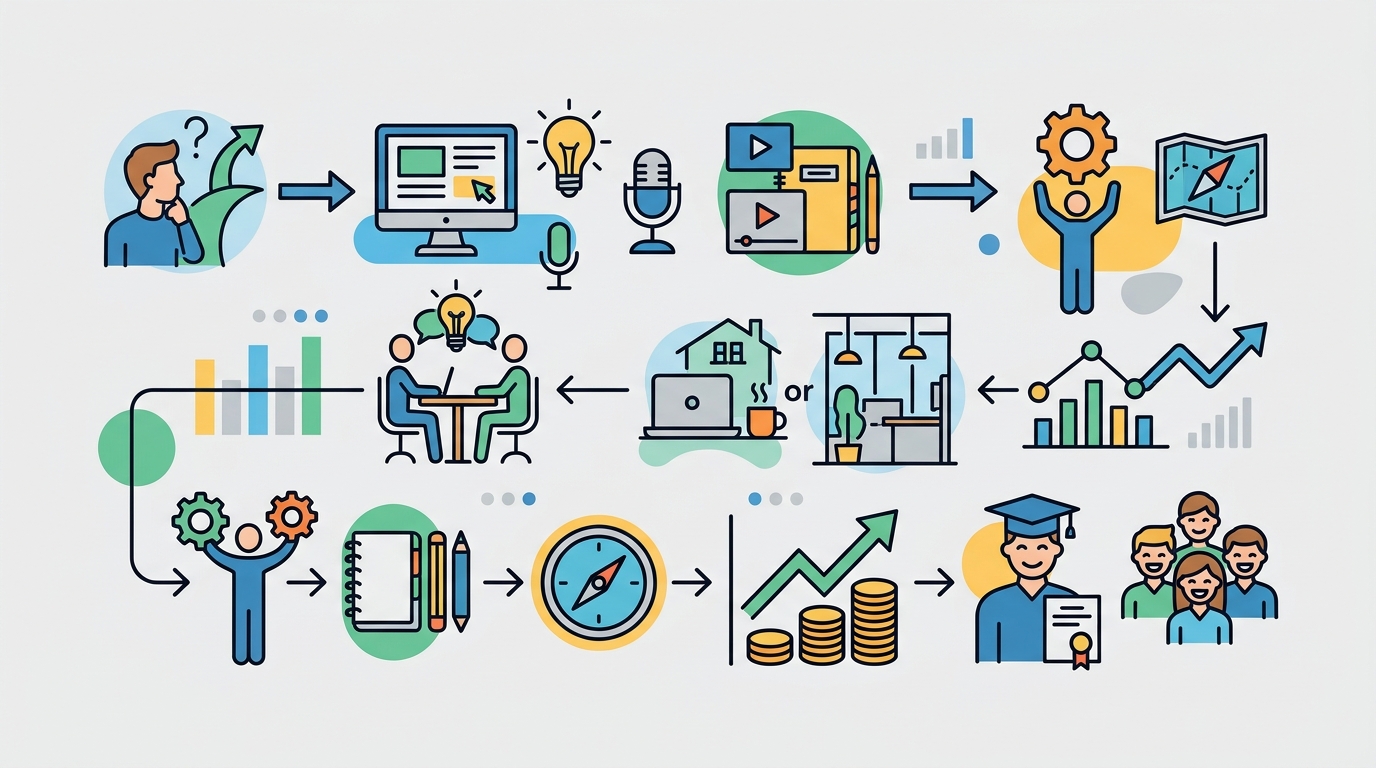
Is Becoming an Instructional Designer a Good Career Change?
Instructional design is a realistic mid-career move if you already build training, teach, or explain complex things for a living — the work rewards experience rather than penalising it. Most people switching from a related job need 12 to 24 months to build a portfolio and land paid work; school-based instructional coordinator roles add the time for a master's degree, which the U.S. Bureau of Labor Statistics (2025) lists as the typical entry requirement.
Marisol Tanaka-Reyes · 10 min read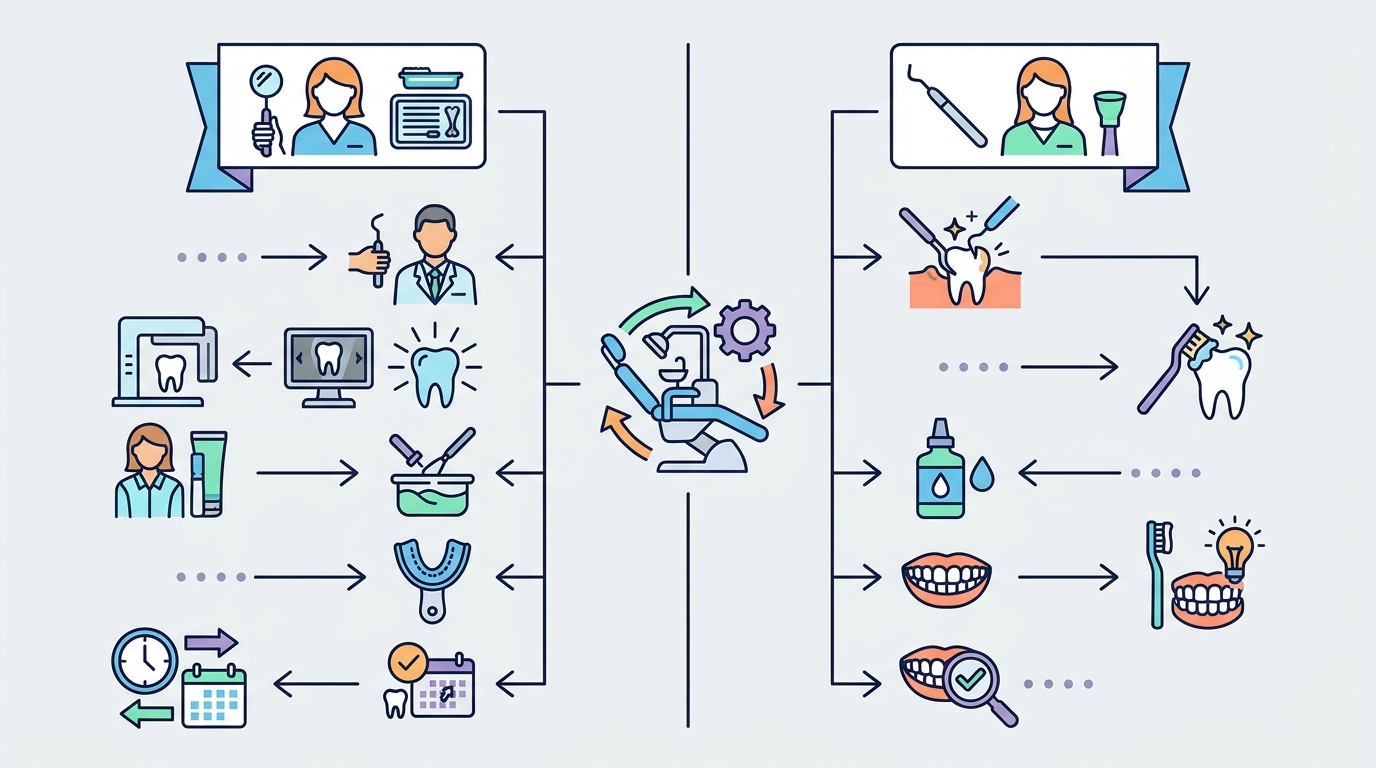
Dental Assistant vs. Dental Hygienist: Key Differences Explained
Dental assisting usually takes about a year of training and no license in most states, with a median annual wage of $48,070 (U.S. Bureau of Labor Statistics, 2025-05). Dental hygiene takes an associate's degree, a program of about three years, and a license in every state, with a median annual wage of $98,100 (U.S. Bureau of Labor Statistics, 2025-05).
Wyatt Holloway · 8 min read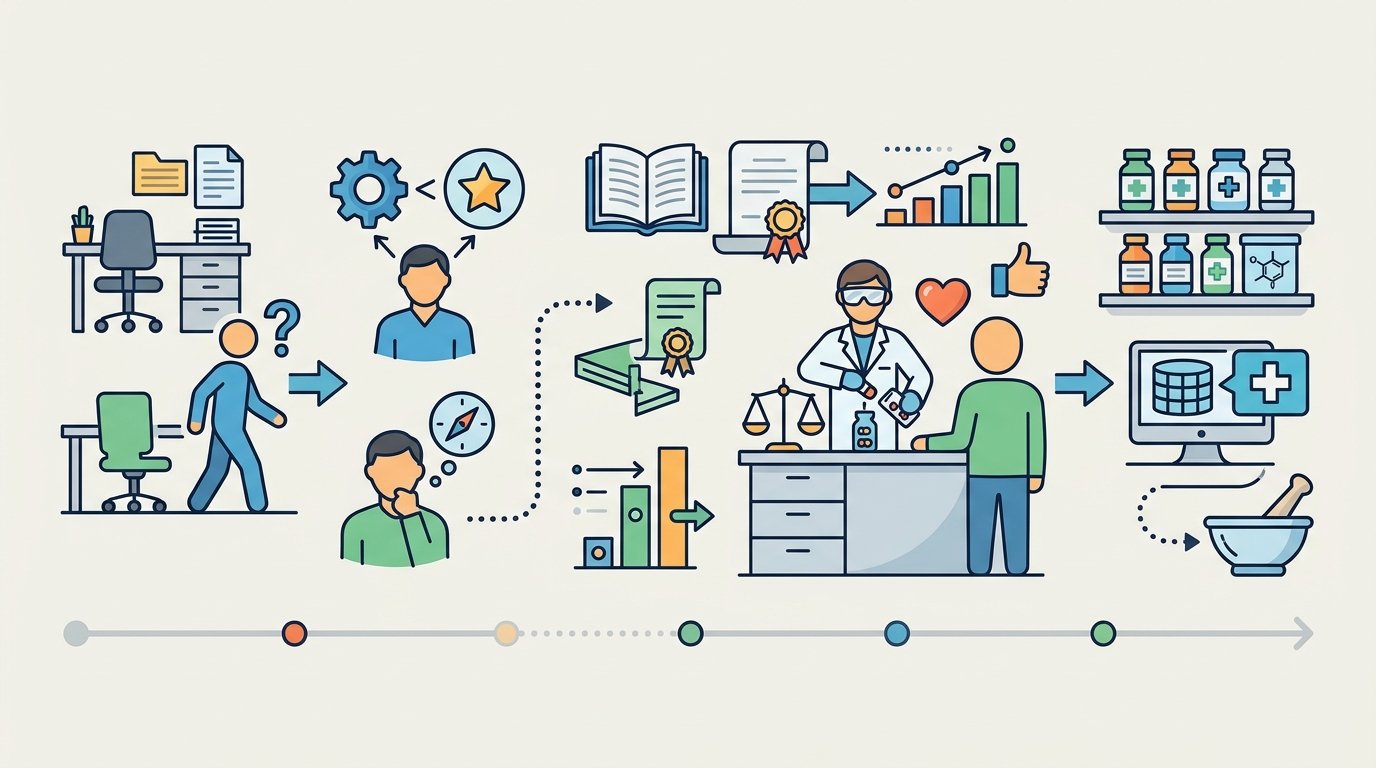
Pharmacy Technician: A Guide for Career Changers
Pharmacy technician is one of the few healthcare roles you can enter without a degree: typical entry-level education is a high school diploma or equivalent, with no prior related work experience required (U.S. Bureau of Labor Statistics, 2025). Most career changers get from first research to first paid shift in 3 to 12 months, depending on whether their state requires a formal training program before they can work.
Wyatt Holloway · 9 min read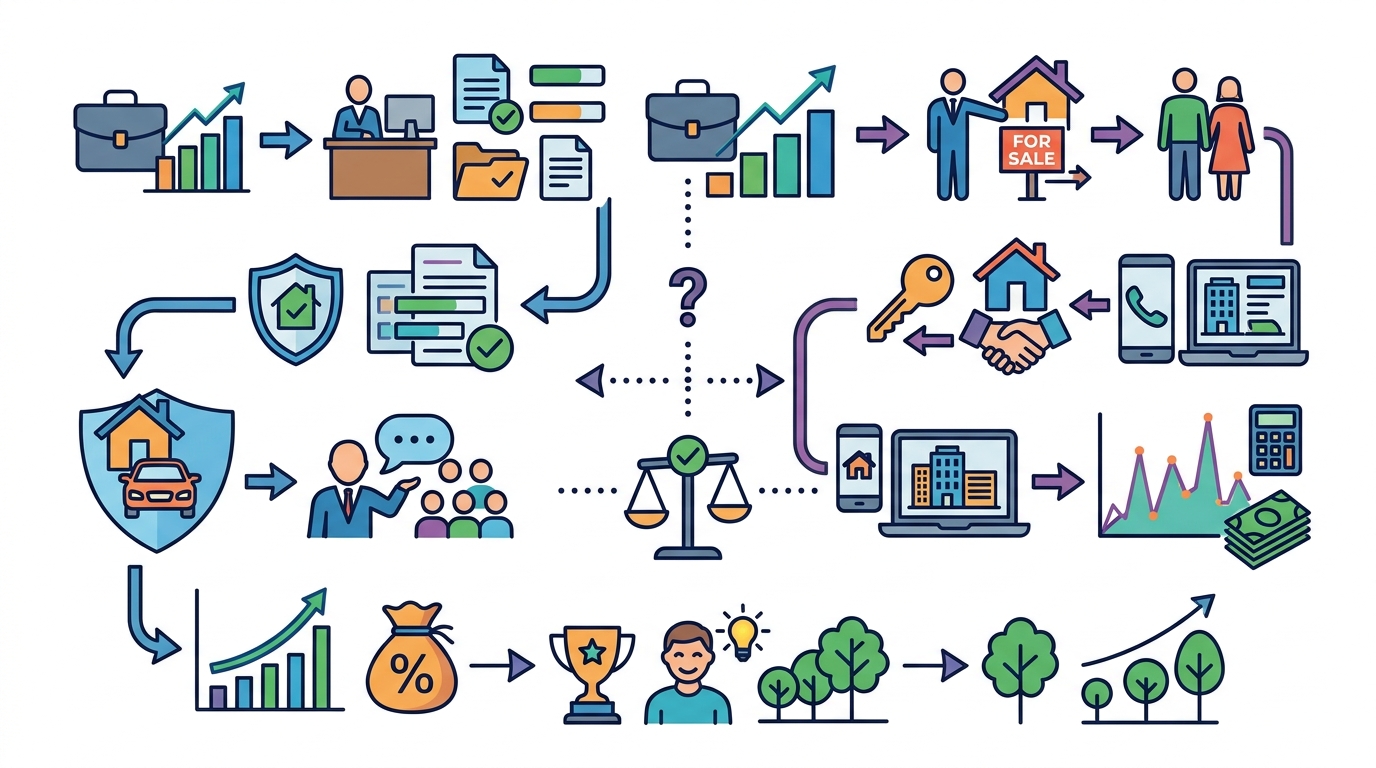
Choosing Between Insurance Agent and Real Estate Agent as a Career Changer
Insurance sales and residential real estate are the two most common licensed second careers for people who want out of a current job without years of school. Both typically need only a high school diploma plus a state license earned by coursework and exam (U.S. Bureau of Labor Statistics, 2025), and both pay largely through commission. The real split is lifestyle: insurance is mostly desk-and-phone with regular full-time hours, while real estate means evenings, weekends, and a lot of time in your car.
Priya Chandrasekaran · 8 min read