How to Get Started
How to Get Started guides on Job Hunt Beacon.

Cosmetology License: Requirements and How to Get Certified
A cosmetology license is the legal permission to cut, color, style and chemically treat hair for pay. Every state requires barbers, hairstylists and cosmetologists to be licensed, and to complete a program at a state-licensed barber or cosmetology school first (U.S. Bureau of Labor Statistics, 2018 and undated).
Priya Chandrasekaran · 8 min read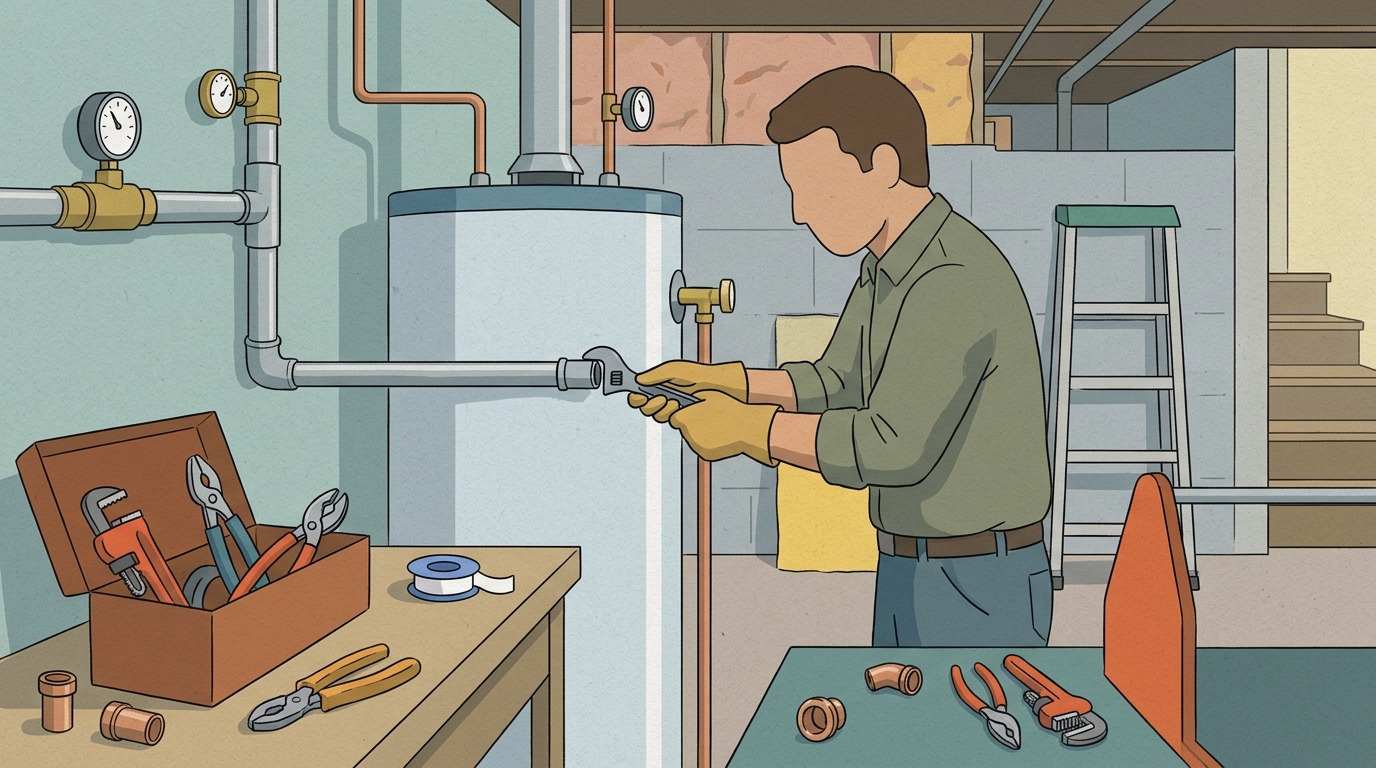
How to Become a Plumber
Plumbing is an apprenticeship trade. You enter with a high school diploma or equivalent, no prior related work experience, and learn the job through paid on-the-job training combined with classroom instruction (U.S. Bureau of Labor Statistics, 2025). After the apprenticeship you sit a journey-level licensing exam, and most employers expect you to hold that license (U.S. Bureau of Labor Statistics, 2025).
Desmond Okafor · 10 min read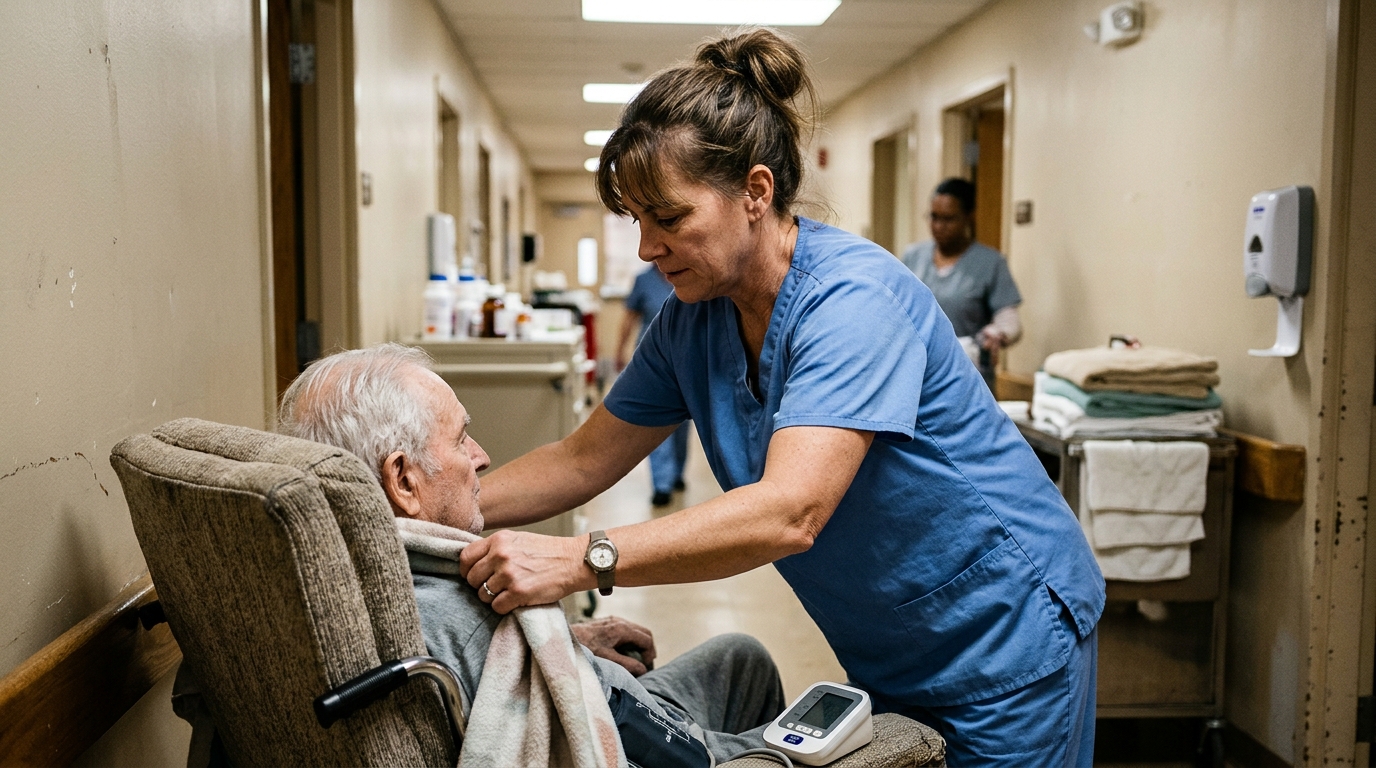
How to Get Your CNA License
To work as a CNA you complete a state-approved nursing assistant education program and pass your state's competency exam, after which your name goes on the state nurse aide registry (U.S. Bureau of Labor Statistics, 2026). You must be on that registry to work in a nursing home (U.S. Bureau of Labor Statistics, 2026).
Wyatt Holloway · 8 min read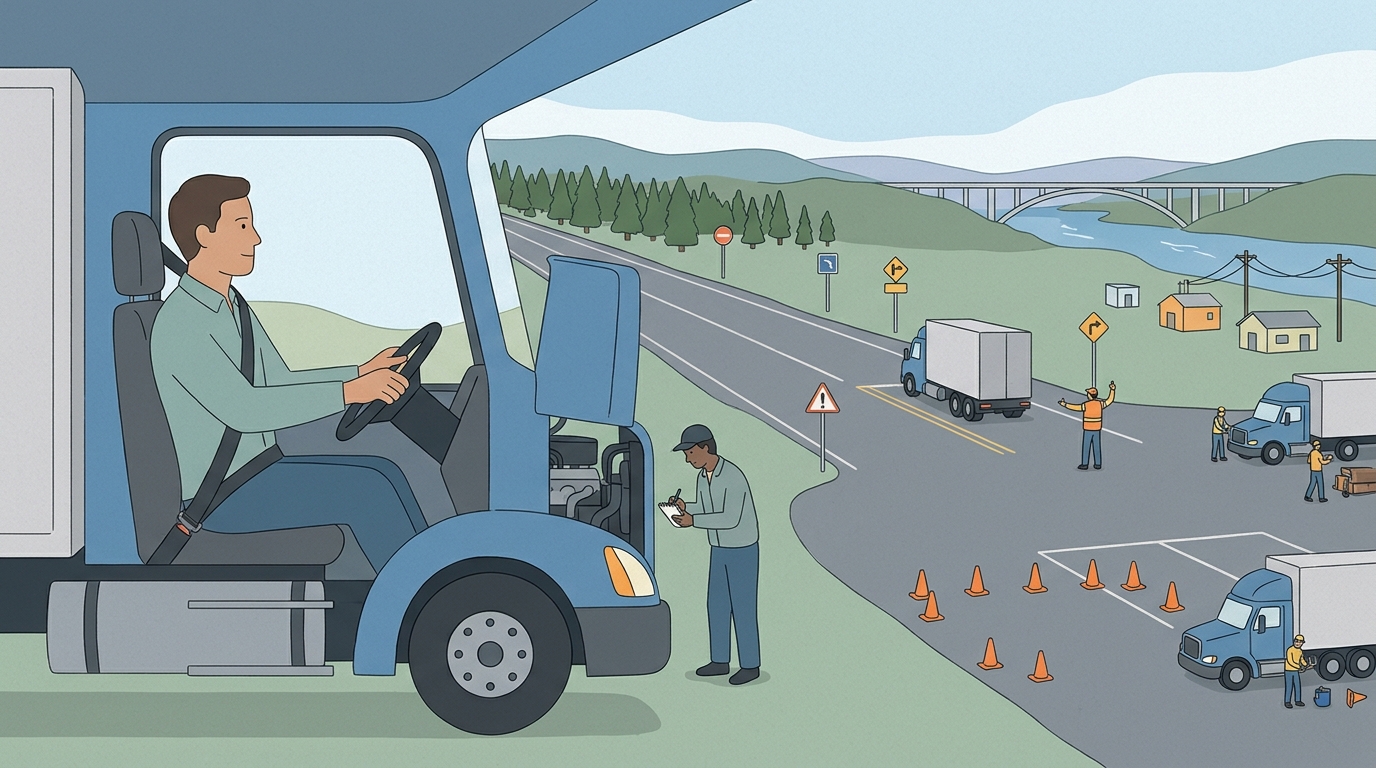
How to Get Your CDL
A commercial driver's license is issued by your state licensing agency, not by the federal government — FMCSA sets the rules, but state governments issue CDLs (FMCSA, 2025-12-08). The path runs in a fixed order: qualify medically, pass the knowledge test to get a commercial learner's permit, complete entry-level driver training with a provider on FMCSA's Training Provider Registry, hold the permit at least 14 days, then pass a three-part skills test (FMCSA, 2025-12-08).
Noor Abdallah · 8 min read
How to Become a Welder Without a Degree
You do not need a college degree to work as a welder. The U.S. Bureau of Labor Statistics (undated) reports that welders, cutters, solderers and brazers typically need a high school diploma or equivalent plus technical and on-the-job training, and ONET classifies the occupation as Job Zone 2: Some Preparation Needed (ONET 31.0 Database, undated).
Priya Chandrasekaran · 8 min read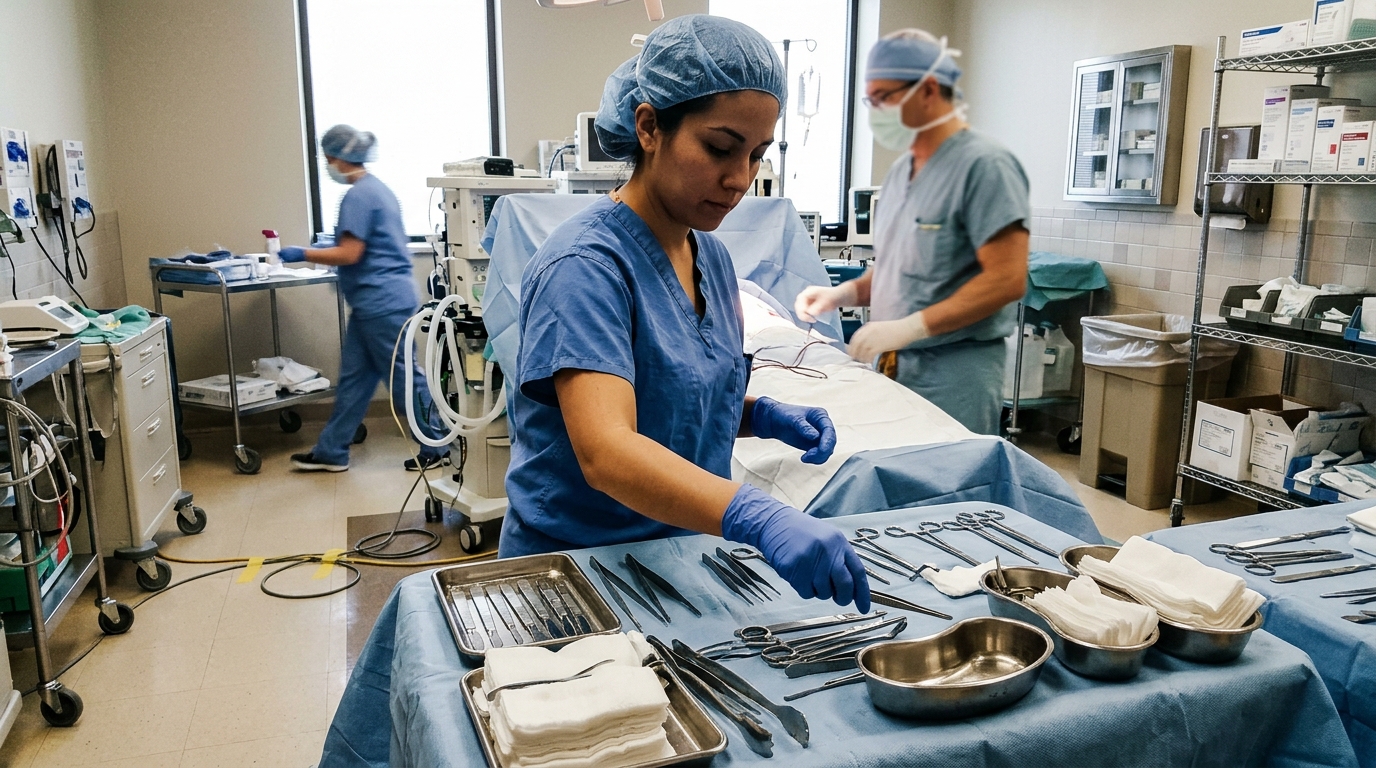
How to Become a Surgical Technologist
Becoming a surgical technologist usually means completing a certificate or an associate's degree from an accredited surgical technology program, then sitting a certification exam. The U.S. Bureau of Labor Statistics (2025) lists a postsecondary nondegree award as the typical entry-level education, with no prior work experience in a related occupation required, and ONET OnLine (U.S. Department of Labor, 2025) places the job in Job Zone Three, where preparation usually takes one or two years.
Wyatt Holloway · 10 min read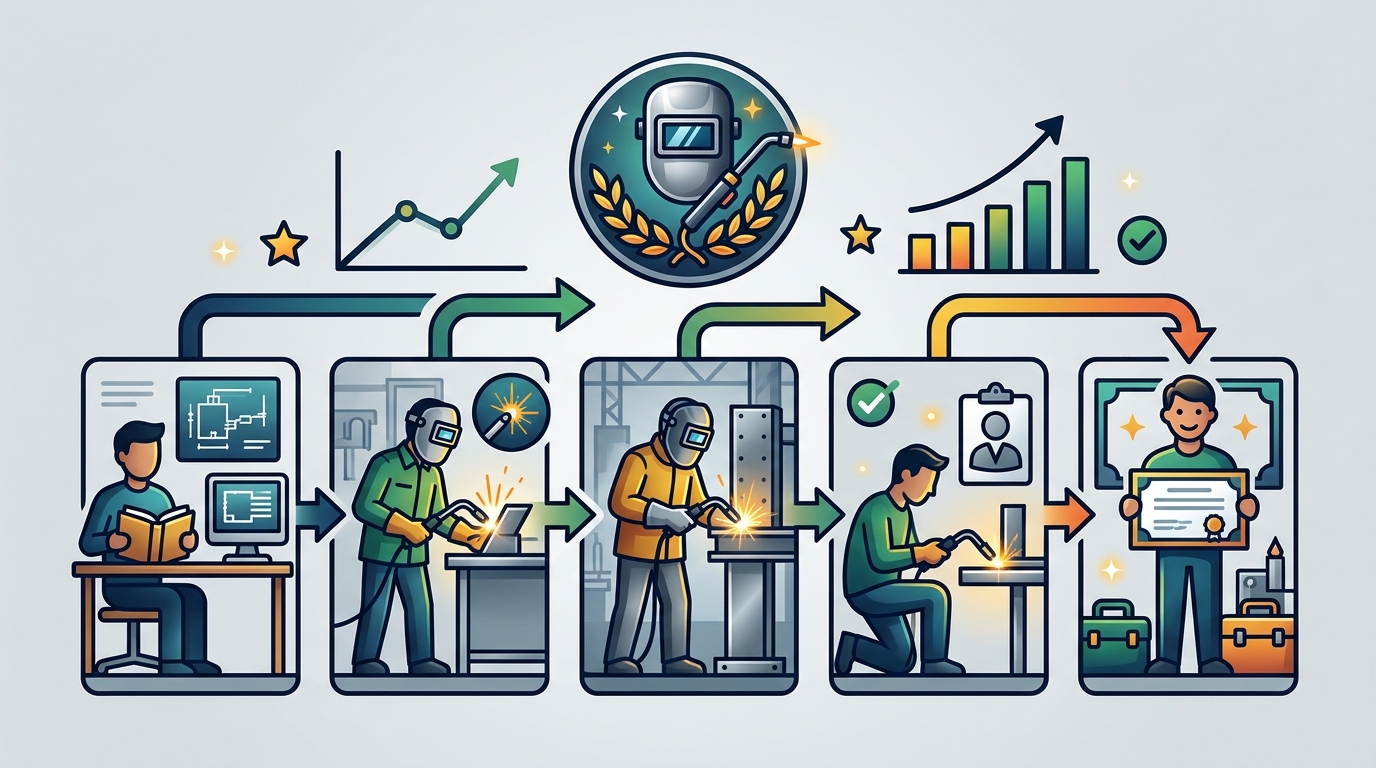
How to Get Your Welding Certification
Welding certification is earned by welding, not by sitting a multiple-choice paper. The American Welding Society's Certified Welder program requires you to test in accordance with the QC47 Specification and complete a welder performance qualification test at an AWS Accredited Testing Facility, with no prerequisite courses or certifications required (American Welding Society, undated).
Marisol Tanaka-Reyes · 8 min read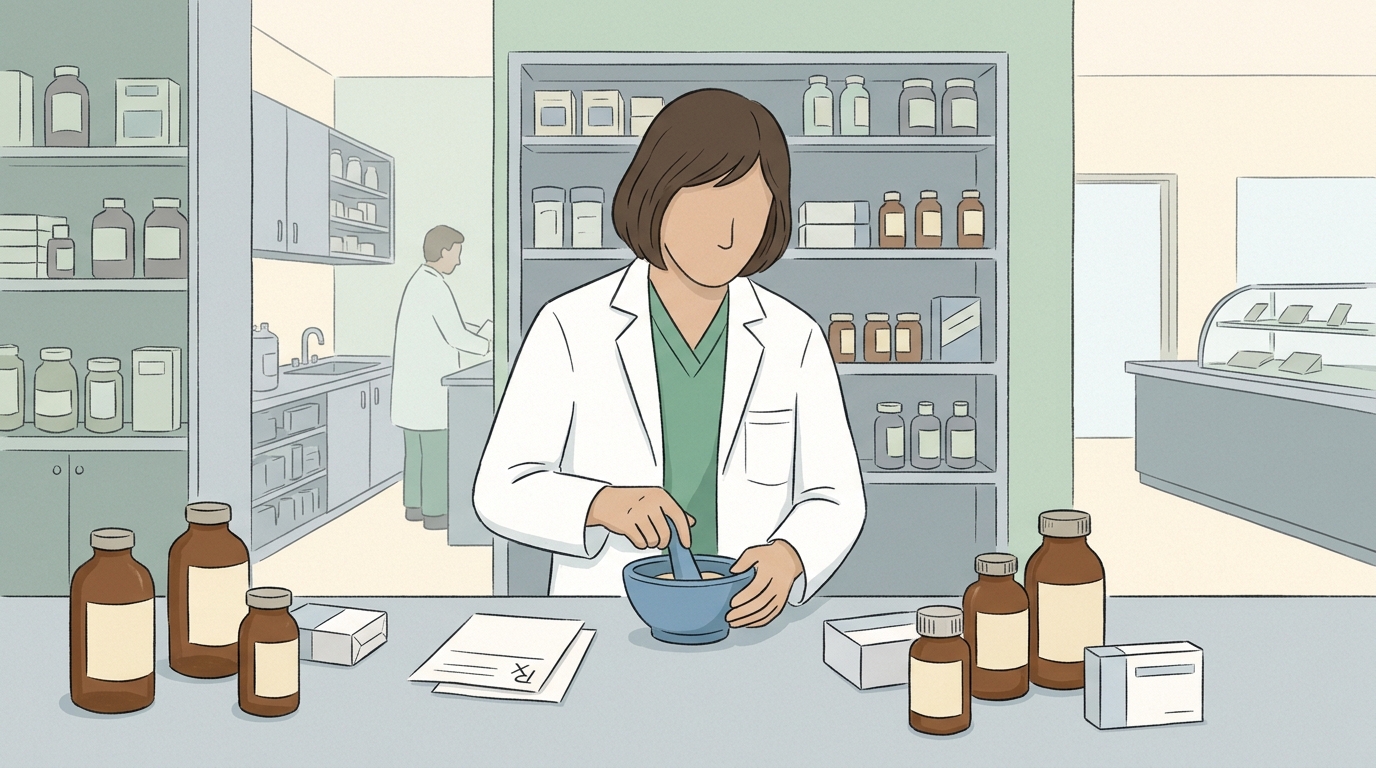
How to Become a Pharmacy Technician
Pharmacy technicians usually need a high school diploma or equivalent and learn the work through on-the-job training, though many complete a postsecondary pharmacy technology program instead (U.S. Bureau of Labor Statistics). Most states regulate the role in some way, and requirements in regulating states typically include some or all of a diploma or GED, a formal training program, an exam, fees, continuing education, and a criminal background check (U.S. Bureau of Labor Statistics).
Marisol Tanaka-Reyes · 9 min read
How to Become a Pharmacy Technician Without Experience
You can enter this job without pharmacy experience. The U.S. Bureau of Labor Statistics (2025) lists a high school diploma or equivalent as the typical entry-level education for pharmacy technicians, lists no prior work experience in a related occupation as a requirement, and describes training as commonly provided on the job after hire.
Noor Abdallah · 8 min read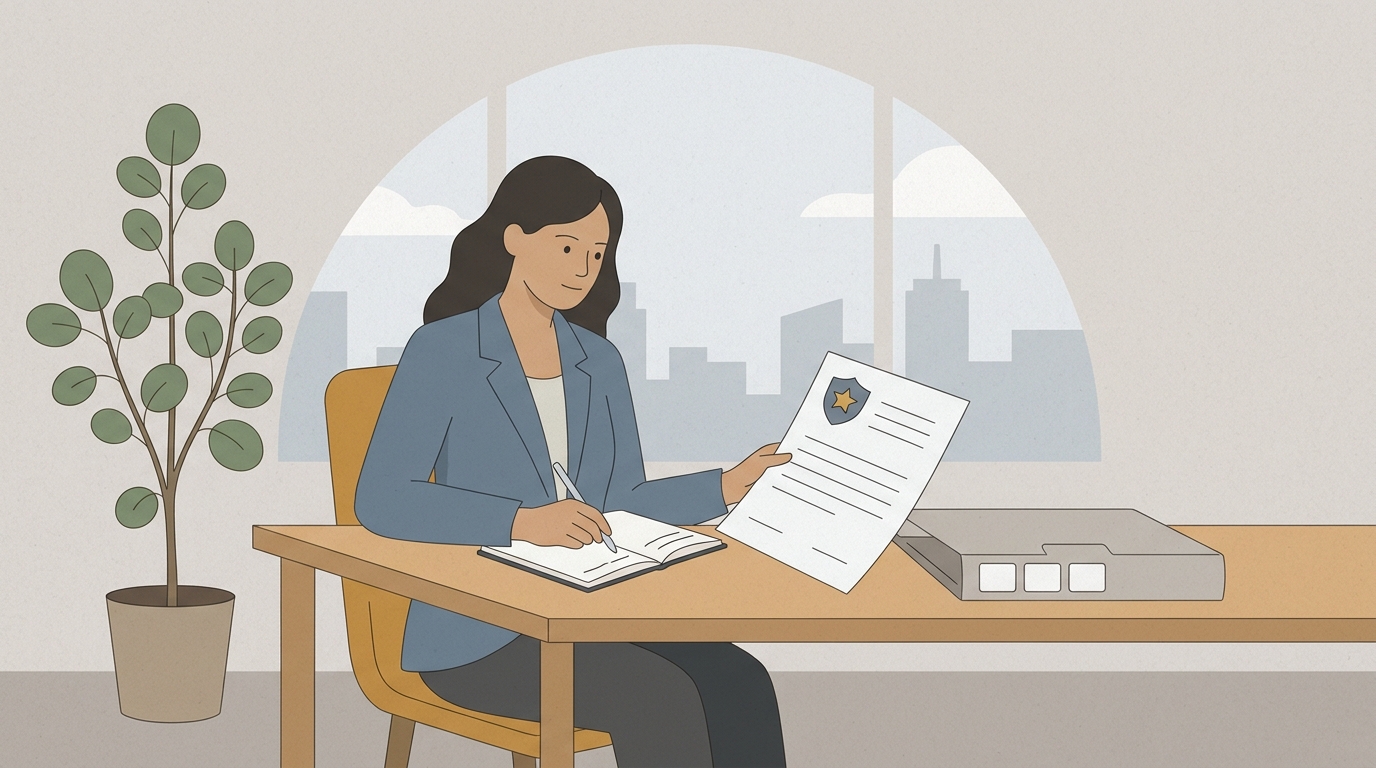
How to Get Your Insurance Agent License
Insurance sales agents must hold a license in the states where they work (U.S. Bureau of Labor Statistics, 2025), and in most states a license is issued only to applicants who complete specified courses and pass a state exam covering insurance fundamentals and state insurance laws (U.S. Bureau of Labor Statistics, 2025). Separate licenses are required to sell life and health insurance and to sell property and casualty insurance (U.S. Bureau of Labor Statistics, 2025), so your first decision is which lines you want to work in.
Desmond Okafor · 8 min read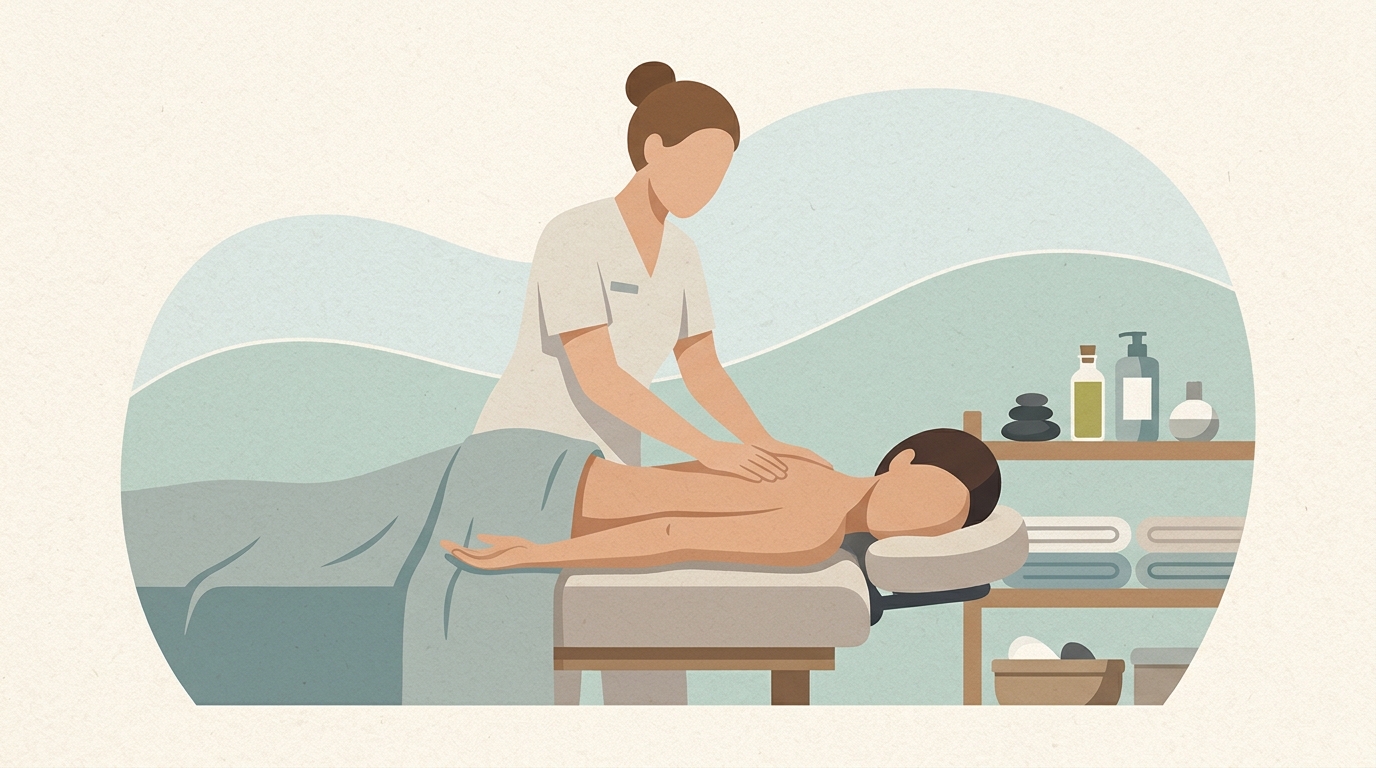
How to Become a Massage Therapist
Becoming a massage therapist means finishing a postsecondary massage therapy program, then meeting your state's rules — which in most states include passing an exam and holding a license (U.S. Bureau of Labor Statistics, 2025). Programs sit in private, independent schools and in community colleges or other public institutions, and take several months to a couple of years depending on the required hours (U.S. Bureau of Labor Statistics, 2025).
Priya Chandrasekaran · 9 min read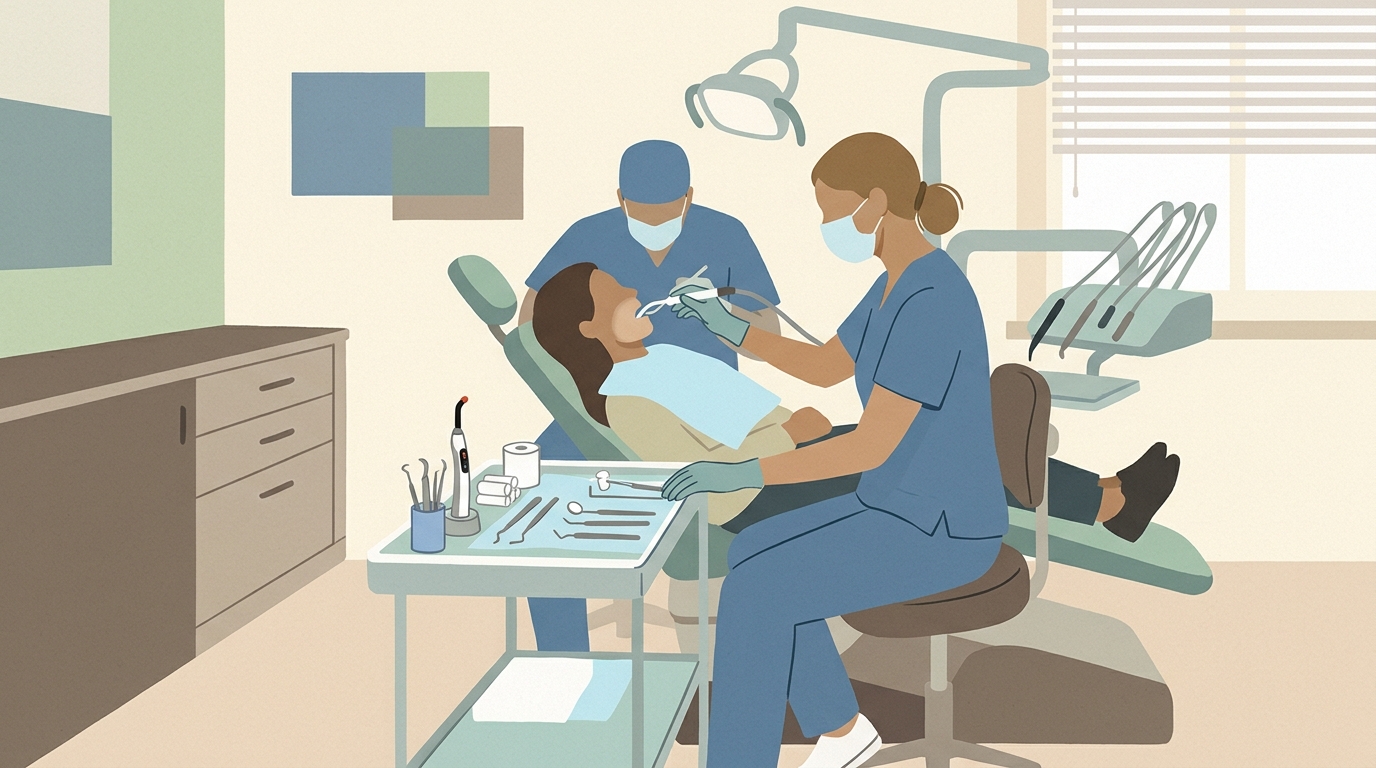
How to Become a Dental Assistant Without a Degree
Whether you need formal schooling to assist chairside depends entirely on where you work. The U.S. Bureau of Labor Statistics (2025) notes that some states require dental assistants to graduate from an accredited program and pass an exam, while in other states there are no formal educational requirements and assistants learn through on-the-job training.
Marisol Tanaka-Reyes · 9 min read
How to Become a Bank Teller With No Experience
You do not need a college degree to become a bank teller. The U.S. Bureau of Labor Statistics lists the typical entry-level education for tellers as a high school diploma or equivalent, with training delivered on the job after you are hired (U.S. Bureau of Labor Statistics, 2025). What banks screen for instead is cash accuracy, steady customer service and a background check they can clear.
Desmond Okafor · 9 min read